Key Takeaways:
- •Canadian construction industry loses an estimated $4 billion annually to theft and vandalism
- •Most targeted items: heavy equipment, copper wiring, power tools, building materials
- •Security engagements span months or years — not single events
- •Guards may need WHMIS certification and site-specific safety orientations
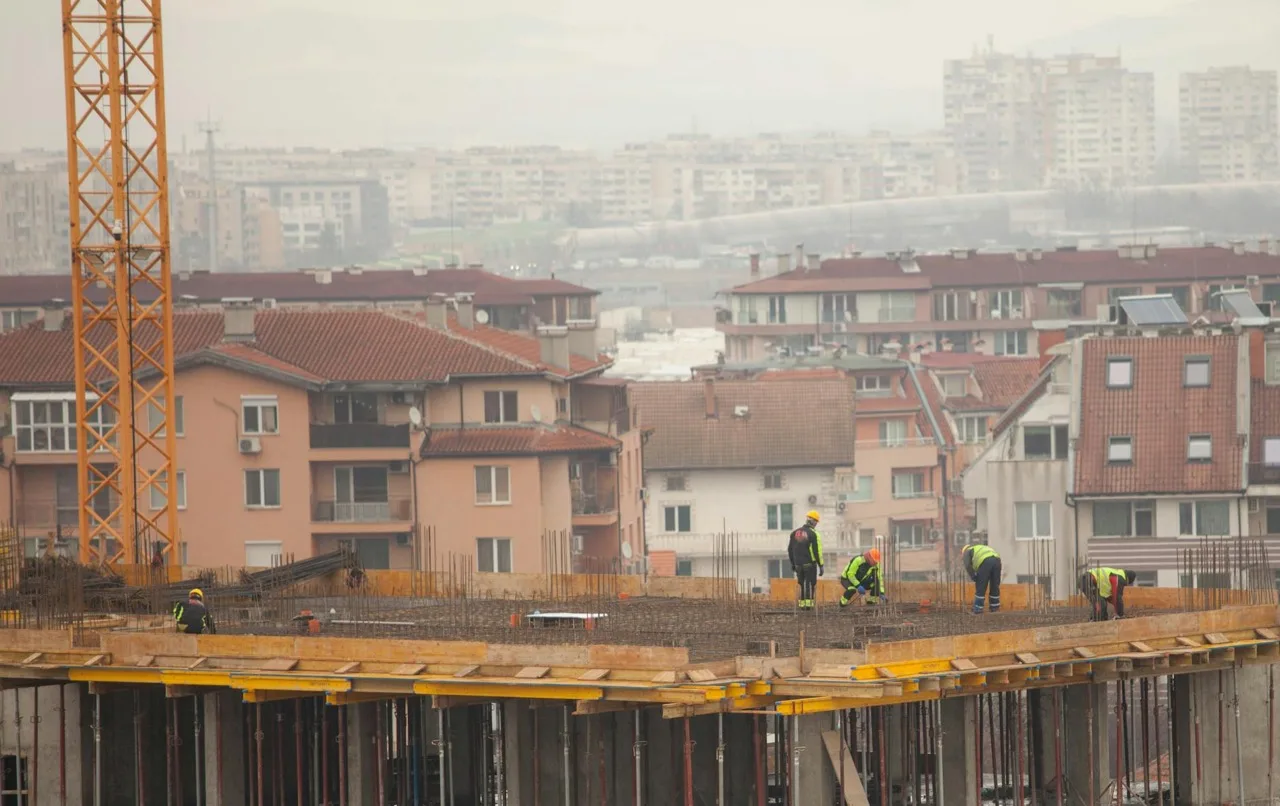
Construction and industrial site security protects valuable equipment, materials, and infrastructure at temporary work sites across Canada where the open-air nature of construction creates inherent vulnerability to theft, vandalism, and unauthorized access.
The Scale of Construction Theft in Canada
The Canadian construction industry loses an estimated $4 billion annually to theft and vandalism:
| Target | Why Stolen | Risk Level |
|---|---|---|
| Heavy equipment | Excavators, loaders worth $100K+ each | Critical |
| Copper wiring/piping | High scrap value from electrical rough-ins | High |
| Power tools | Portable, easily resold during shift changes | High |
| Building materials | Lumber, steel, and specialty materials stolen from staging areas |
Construction Site Security Functions
- •After-hours access control when the workforce has left — the highest-risk window for theft
- •Perimeter patrols on foot and by vehicle to detect and deter unauthorized entry
- •Equipment monitoring in storage areas using checkpoint verification systems
- •Sign-in/sign-out management of all workers, subcontractors, and visitors during active hours
- •Delivery verification — confirming that materials leaving the site are authorized
Industrial & Infrastructure Projects
For pipelines, power plants, water treatment facilities, and mining operations, guards may need specialized certifications:
- •WHMIS certification (Workplace Hazardous Materials Information System) — mandatory for sites with hazardous materials
- •Confined space awareness training for facilities with tanks, tunnels, or underground infrastructure
- •Site-specific safety orientations before deployment — guards complete the same safety induction as workers
Mobile Patrol Advantage
GPS-tracked vehicle patrols are particularly effective for construction sites, providing:
- •Regular perimeter and internal area coverage on documented schedules
- •Timestamped checkpoint verification proving every zone was inspected
- •Documented proof of coverage satisfying insurance requirements — many insurers reduce premiums for documented patrol coverage
- •Response times under 10 minutes for detected intrusions
Urban Construction Challenges
- •Urban explorers accessing unfinished buildings for photography or thrill-seeking
- •Vandalism and arson in incomplete structures, especially during weekends
- •Unauthorized sheltering during winter months in heated construction sites
- •Protest activity at environmentally sensitive projects or disputed development sites
Remote Site Security
Northern Canada and rural sites present additional challenges that require specialized guard training:
- •Limited cellular coverage — requires independent satellite communication systems
- •Extended emergency service response times often exceeding 30 minutes
- •Guards trained in wilderness safety and cold weather operations including hypothermia response